CVD vs HPHT Diamonds
Growth method describes how a laboratory-grown diamond was created—not how beautiful it is.
CVD vs HPHT Diamonds: Growth Method Is Not a Beauty Grade
CVD and HPHT describe how a diamond crystal was grown. They can produce gem-quality diamonds with a wide range of color, clarity and cut. The method matters for identification and manufacturing history, but it should not replace inspection of the finished stone.
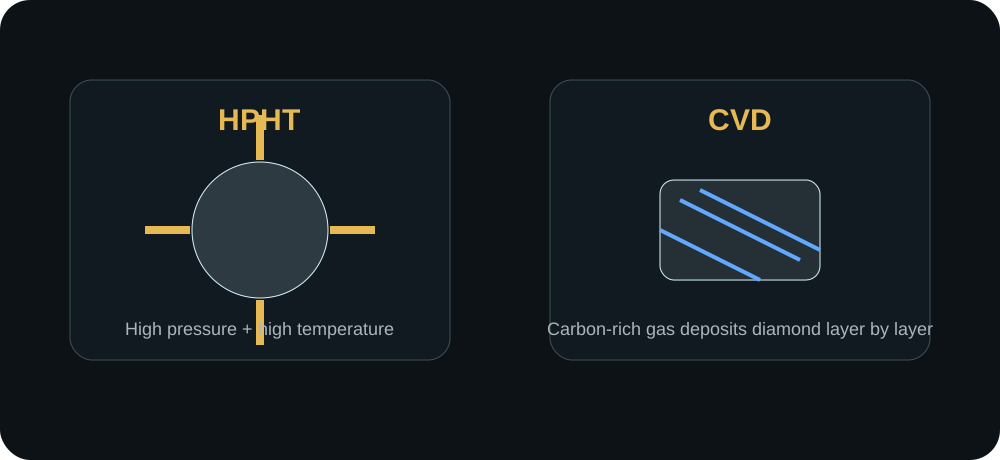
HPHT
High pressure and high temperature recreate conditions that allow diamond crystal growth from a carbon source in a press.
CVD
Chemical vapor deposition grows diamond from a carbon-containing gas, building diamond material on a seed in a controlled chamber.
Can either process involve treatment?
Post-growth treatment can be used to alter color or other characteristics in some laboratory-grown diamonds. A reputable laboratory report can provide relevant identification and treatment information depending on the service.
Which is better?
There is no universal answer. Compare the finished diamonds for cut, appearance, transparency, color, clarity, report information and price. Do not pay a premium merely because a listing emphasizes one growth acronym over the other.
Core gemology references: Gemological Institute of America (GIA) diamond education and research materials. Consumer terminology and disclosure principles: U.S. Federal Trade Commission Jewelry Guides. Last reviewed August 2026.