Pear Diamond Guide
A graceful teardrop combining brilliance with an elongated outline.
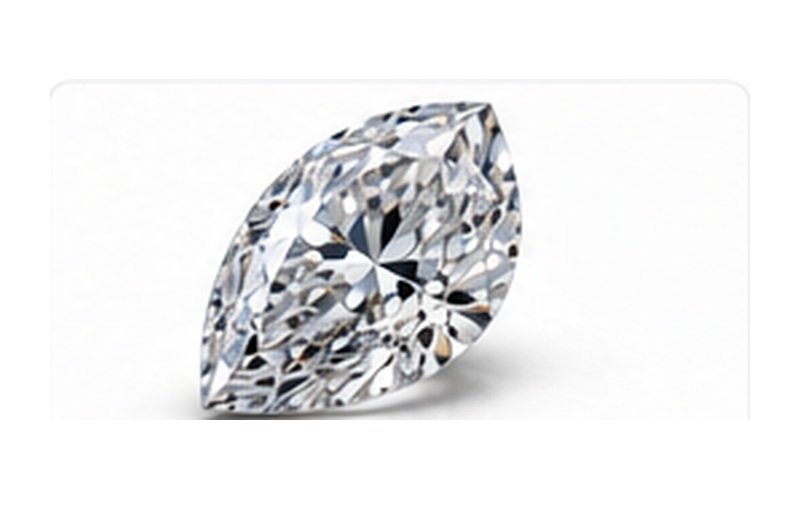

What makes a good pear?
A pear is attractive when the shoulders flow evenly, the point aligns with the center line and the contrast pattern does not collapse into a distracting dark band. Watch the stone rotate: a light, mobile bow-tie is common; a heavy bar that never brightens usually dominates the face-up look.
Length-to-width ratio
For pears, length-to-width is the main outline decision. Many shoppers like roughly 1.45–1.55 for a classic teardrop; below ~1.40 reads stubby, and past ~1.65 can look needle-thin on the finger. Ratio is preference, not a quality grade—compare several videos at the same carat so the outline, not the number, drives the choice. Use report millimeters (length ÷ width) and then confirm the shoulders and point still look balanced at normal scale.
Carat is weight. Two 1.00 ct pears can differ by half a millimeter or more face-up if one is cut deep. Screen depth and table against millimeter spread before you fall in love with a certificate.
Color and clarity
The tapered point can gather body color more than the rounded end, especially in larger stones or warmer grades. Compare G–J candidates in white metal versus yellow/rose gold; a slight tint that bothers you in platinum may disappear in yellow gold. Brilliant-style faceting helps hide small inclusions, but dark crystals near the point or under the table stay noticeable—grade letters alone do not tell you that.
Prioritize eye-clean appearance in the pear’s open center and along the taper. An SI1 with a feather tucked near a girdle wing can look cleaner than a VS2 with a dark crystal under the table.
Setting considerations
The point is the chip risk. A V-prong or sturdy tip prong on the point, plus supportive prongs on the rounded end, is the usual engagement-ring approach; a partial bezel around the tip adds insurance for daily wear. Avoid settings that leave the tip exposed or that flatten the teardrop silhouette you bought the shape for.
Before you buy
- Confirm point–shoulder symmetry and center-line alignment in face-up video.
- Judge bow-tie severity as the stone turns—not only in a single still.
- Compare length-to-width and face-up mm at similar carat weights.
- Check color near the tip under your intended metal color.
- Verify the grading report number and a clear return window before you commit.
Ready to compare real diamonds?
Use high-resolution imagery and grading reports to compare several examples side by side. These retailer links are affiliate links.
Core gemology references: Gemological Institute of America (GIA) diamond education and research materials. Consumer terminology and disclosure principles: U.S. Federal Trade Commission Jewelry Guides. Last reviewed August 2026.