Lab-Grown vs Natural Diamond Price
Short answer: both are real diamond. Lab-grown usually costs about 80–90% less than a comparable natural round in September 2026. Buy lab for size and sticker price; buy natural for origin and a used market that still exists. Neither is an investment.
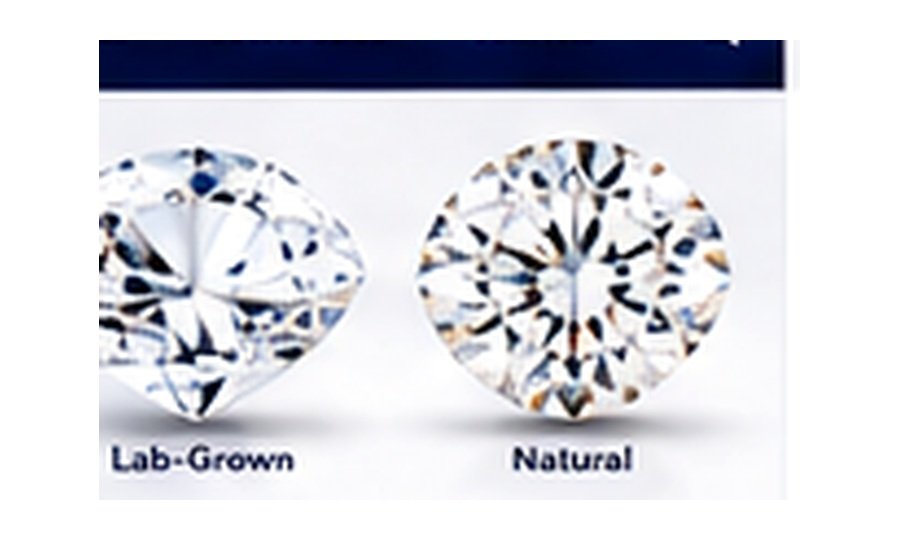
Laboratory-grown diamonds and mined diamonds are both crystallized carbon. A lab-grown origin does not make a stone fake, and a natural origin does not make a stone well cut. The decision that actually changes your receipt is lab grown vs natural diamond price, size on the hand, and how much you care about geological rarity versus face-up presence. Shape still matters—see round and oval for how face-up size reads.
Price bands below are indicative online listing ranges for loose stones as of September 2026. They are not quotes, appraisals, or a promise that a specific retailer will match them next week. Setting, tax, shipping and maker markup are excluded. Same methodology note as prior updates; bands unchanged this pass.
Pick in 60 seconds
Three decisions, in order. Skip the slogans.
- Budget first. Lock a hard number for the center stone before you fall in love with a carat weight. Full path: how to buy a diamond.
- Size vs origin. If millimeters matter more than mined scarcity → lab-grown. If geological origin or a used-stone path matters more → natural. Same dollars buy very different sizes (table below).
- Cut is non-negotiable. Do not spend lab savings—or stretch a natural budget—on a dead cut. Protect cut, then compare live inventory with the retailer worksheet.
September 2026 loose-stone price bands
Ranges assume a round brilliant, roughly G–H color, VS2–SI1 clarity, Excellent / Ideal cut, sold by a major online retailer. Lab-grown reports are commonly IGI or GIA; natural reports in this band are almost always GIA.
| Carat | Lab-grown listing range | Natural listing range | Typical gap |
|---|---|---|---|
| 0.70 ct | $350 – $700 | $2,000 – $3,600 | ~75–85% less for lab |
| 1.00 ct | $550 – $1,200 | $4,000 – $7,500 | ~80–90% less for lab |
| 1.50 ct | $900 – $1,800 | $8,000 – $14,000 | gap widens |
| 2.00 ct | $1,200 – $2,500 | $14,000 – $24,000 | often ~85–92% less for lab |
Why the ranges are wide: cut quality, exact color/clarity, fluorescence, measurements, lab (GIA vs IGI), and whether the listing is a sale price all move the number. A 1.00 ct E/VVS1 natural round sits well above the G/VS2 band. A poorly cut lab-grown 2 ct can still be cheap and look dull. More on spending the gap wisely: spend smarter.
Compare live listings (after the bands)
Use the ranges as a sanity check, then open real inventory. These are affiliate links; we may earn a commission if you buy, at no extra cost to you. Score the store first on the retailer worksheet. Disclosure.
Same-budget translation: $3k / $6k / $10k
This is the citeable trade most “lab vs natural” pages skip. Same center-stone budget, different typical size. Assumes round, roughly G–H / VS2–SI1 / Excellent cut, loose-stone listing bands from the table above—not including the setting. Indicative, not a quote.
| Center-stone budget | Typical natural size (Sept 2026) | Typical lab-grown size (Sept 2026) | What you are trading |
|---|---|---|---|
| ~$3,000 | ~0.70–0.90 ct | ~1.50–2.00 ct (often with setting room left) | Natural stay under 1 ct; lab can clear the “big look” brief |
| ~$6,000 | ~1.00 ct G/VS2 band | ~2.00 ct+ (setting money often left) | Classic natural 1 ct vs a lab 2 ct face-up jump |
| ~$10,000 | ~1.20–1.50 ct (quality-dependent) | ~2.00–3.00 ct or a premium-spec 2 ct | Natural size climb is slow; lab dollars buy cut upgrades or millimeters |
Read the table left-to-right as a choice, not a ranking. A $6,000 natural 1 ct shopper who wants origin is not “wrong”; they are buying a different product than the shopper who wants a 2 ct face-up look for that same ticket.
Worked examples: same spec, two origins
These are shopping targets, not live SKUs. Use them to compare listings this week. If a “deal” is far outside the band, inspect cut and the report before celebrating.
1 carat example
1.01 ct round · G · VS2 · Excellent cut · None fluorescence · ~6.4 mm
| Lab-grown | Natural | |
|---|---|---|
| Typical report | IGI or GIA | GIA |
| Sept 2026 listing band | $650 – $900 | $5,200 – $6,400 |
| What you are paying for | Size and a clean face-up look | Geological origin + scarcer supply |
| Watch-outs | Cut still varies. Cheap lab stones can window. | Do not buy a dead cut to stay on budget. |
2 carat example
2.01 ct round · G · VS2 · Excellent cut · None / Faint fluorescence · ~8.1 mm
| Lab-grown | Natural | |
|---|---|---|
| Typical report | IGI or GIA | GIA |
| Sept 2026 listing band | $1,400 – $2,000 | $16,000 – $21,000 |
| What you are paying for | A much larger face-up stone for the same budget | Rarity at a weight where natural supply thins |
| Watch-outs | Lab 2 cts are common now; price is still falling. | The 2.00 ct “milestone” premium is real. 1.90–1.99 ct is often smarter. |
Ready to compare these specs live?
Filter for the report and origin you want, then judge video—not certificate letters alone. Affiliate links; see disclosure and the partner worksheet.
What is the same
- Chemical composition and hardness (10 on the Mohs scale).
- The 4Cs still decide how the stone looks. Origin does not fix a steep pavilion or a dark bow-tie.
- Both should arrive with a grading report and a clear origin statement.
- Cubic zirconia and moissanite are not lab-grown diamonds. Different materials, different hardness, different look.
What actually changes
| Factor | Natural | Laboratory-grown |
|---|---|---|
| Origin | Formed in the earth over geological time | Grown in weeks by HPHT or CVD |
| Retail price (Sept 2026) | Higher, especially above 1.5 ct | Much lower; still declining year over year |
| Used / resale market | Exists, but you still lose a large share of retail | Thin. New supply undercuts yesterday’s ticket |
| Grading | GIA is the default buyer expectation | IGI is common; GIA also grades lab-grown |
| Disclosure | Should say natural / mined origin | Must say laboratory-grown or laboratory-created |
| Treatments | Possible; read report comments | Post-growth treatment possible; read the report |
Growth method (CVD vs HPHT) is not a beauty grade. Compare the stone. Details: CVD vs HPHT.
Who should buy which
Lab-grown is usually the better fit if you
- Want more millimeters for the same budget.
- Care more about how it looks on the hand than about mined origin.
- Are buying a fashion or short-horizon piece, not a store-of-value.
- Will keep the ring; resale is not part of the plan.
Natural is usually the better fit if you
- Want geological origin and the scarcity story.
- May sell or trade the stone later and want a used-stone market that still exists.
- Are shopping a family or heirloom brief that specifies mined diamonds.
- Accept a smaller face-up size to stay on budget.
Questions to ask the jeweler (or chat support)
Copy this checklist before you buy. If answers are vague, leave.
- Is this stone natural or laboratory-grown, and where is that stated on the invoice and report?
- What is the full report number, and can I verify it on the lab’s site (certification overview)?
- Do you have video or high-res photos of this exact stone, not a stock render?
- What are the return window, restocking fees, and who pays return shipping?
- If you offer trade-in or buyback, is the credit based on original invoice or current wholesale—in writing?
- For lab-grown: any post-growth treatment noted on the report?
Print-friendly version of the full buyer flow: diamond checklist.
Value and resale, without the brochure language
Retail price is not value. A newly purchased natural diamond typically resells well below what you just paid. A newly purchased lab-grown diamond usually resells even worse, because growers keep adding supply and asking prices keep dropping. If a salesperson promises appreciation, walk.
If trade-in, upgrade, or buyback matters, get the terms in writing before you pay: what they will credit, against what future purchase, and whether the credit is based on original invoice or current wholesale.
Reports: GIA, IGI, and the word “lab”
A report is a filter, not a photograph. For natural diamonds, most careful buyers still start with GIA. For lab-grown diamonds, IGI volume is high; GIA lab-grown reports exist and some shoppers prefer them. Do not treat an IGI lab-grown grade as “fake” or a GIA lab-grown grade as automatically prettier. Read measurements, look at images, and confirm the report number on the lab’s site. See certification and how to read a report.
Questions Google is already sending here
Are lab grown diamonds as good as mined diamonds?
As diamond material, yes—both are crystallized carbon. In the store, cut and inclusions decide which looks better. Origin does not rescue a bad cut.
Should I buy lab grown or natural?
Lab-grown for size and sticker price. Natural for origin and a used market that still functions. There is no universal winner.
What is the price difference?
Sept 2026: mainstream 1 ct lab-grown rounds often ~$550–$1,200; comparable natural GIA rounds more often ~$4,000–$7,500. At 2 ct, often ~$1,200–$2,500 lab vs ~$14,000–$24,000 natural. Check live listings.
Are lab grown diamonds as valuable as natural diamonds?
Not on today’s resale market. New lab supply keeps arriving cheaper. Natural also loses a large share of retail on the way out. Buy either to wear, not to bank.
Is natural or lab grown better?
Neither as a class. The better diamond is the specific stone that looks right at the size you can pay for, with a report you can verify.
How much is a 1 carat lab grown diamond vs natural?
Same-spec working band this month: about $650–$900 lab-grown versus $5,200–$6,400 natural for a 1.01 ct G/VS2 Excellent round. Confirm with current inventory.
Next steps
- Pick origin first (lab or natural), then lock shape and a carat window.
- Protect cut. Do not spend the savings on a dead stone.
- Compare at least three candidates with video, not certificate numbers alone.
- Verify the report number on the lab website.
- Read return policy and any buyback language before checkout.
Lab-grown hub Buyer checklist Spend smarter
Compare live listings
Use the bands above as a sanity check, then compare actual stones. These retailer links are affiliate links; Naked Diamonds may earn a commission if you buy, at no extra cost to you.
Gemology and disclosure: GIA diamond education materials; U.S. FTC Jewelry Guides (laboratory-grown / laboratory-created terminology). Price bands are Naked Diamonds’ September 2026 reading of publicly advertised loose-stone listings for the stated quality window, expressed as ranges because single-point “average prices” hide cut and lab differences. This page is educational, not an appraisal or an offer to buy or sell diamonds. Last updated 28 September 2026.