The 4Cs of Diamonds
Cut, Color, Clarity and Carat give you a common language for comparing diamonds. The skill is knowing which differences you can actually see—and which grades are mostly costing you money.
1. Cut: the C that controls light performance
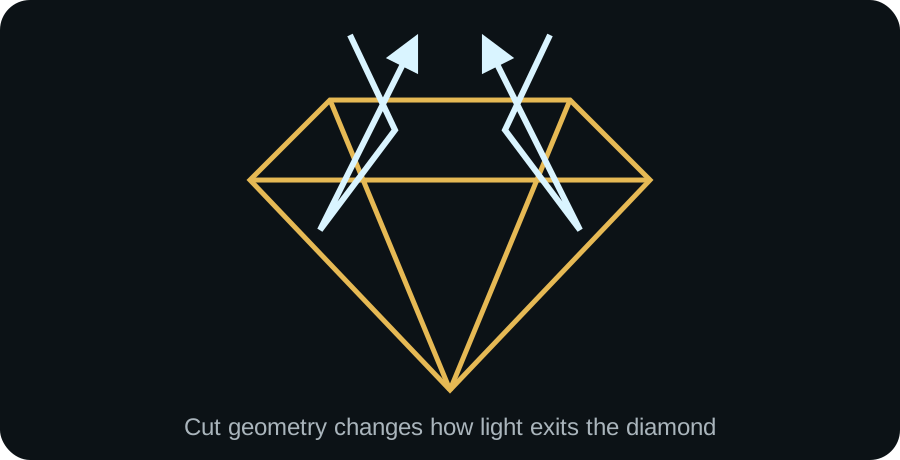
Cut quality is about how well a diamond's proportions and workmanship allow it to interact with light. In round brilliant diamonds, GIA's cut grade incorporates brightness, fire and scintillation along with proportion-related and finish considerations. A well-cut diamond can look lively across different lighting; a poorly proportioned stone can leak light and look comparatively dull even if its color and clarity grades are high.
Cut is not the same as shape
“Round,” “oval” and “emerald” are shapes/cutting styles. “Excellent,” “Very Good,” and similar labels can describe aspects of cut quality depending on the grading system and stone type. GIA's overall cut grade is specifically standardized for D-to-Z round brilliant diamonds, so fancy shapes require more visual judgment.
What to inspect
- Overall cut grade when available.
- Table and depth percentages and major angles.
- Polish and symmetry.
- Face-up video for contrast pattern, brightness and dark zones.
- Whether excess depth is hiding weight where you cannot see it.
2. Color: how much body color you can see
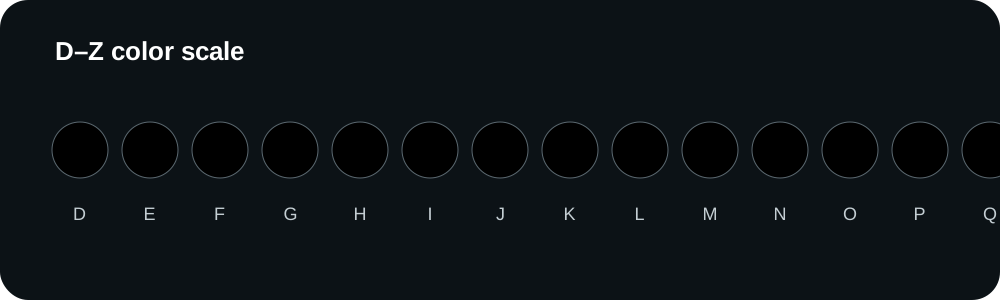
For diamonds in GIA's D-to-Z range, color grading describes the relative absence of color. D is the highest colorless grade, while increasing letters indicate progressively more noticeable yellow or brown tint. The important shopping question is not “what is the highest grade?” but “what can I actually see in this shape, size and setting?”
Round brilliants often mask body color differently from step cuts. Larger stones can show color more readily. Yellow- or rose-gold settings can also change the visual context compared with white metal.
3. Clarity: inclusions, blemishes and visibility
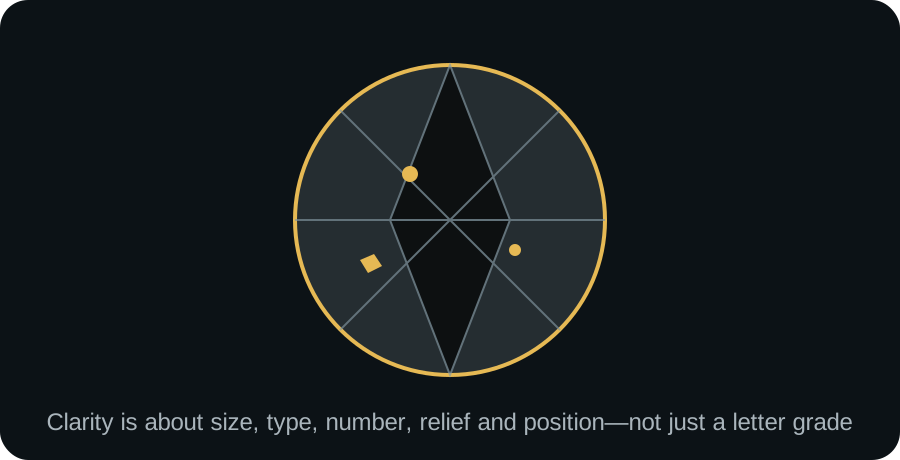
Clarity grading evaluates internal inclusions and external blemishes. GIA's clarity scale contains 11 grades, from Flawless through Included, and grading considers factors such as size, nature, position, relief and quantity of characteristics under 10× magnification.
For shoppers, the practical question is often whether an inclusion is distracting to the unaided eye, whether it affects transparency, or whether it is in a location that deserves durability consideration. Two diamonds with the same clarity grade can look very different because the inclusions themselves differ.
4. Carat: weight, not visible diameter
One carat equals 200 milligrams. Carat tells you weight; the millimeter measurements tell you how that weight is distributed. Two one-carat diamonds can have different face-up dimensions because of shape and proportions.
Prices can jump around popular weight thresholds, so comparing a stone slightly below a round-number target can sometimes reveal better value. Do not chase the number if it forces you into a visibly worse cut.
How to balance the 4Cs without overspending
- Protect cut first when brilliance is central to the look you want.
- Choose the lowest color grade that still looks appropriately white to you in your chosen shape and setting.
- Choose clarity based on the actual inclusion pattern, not prestige attached to the grade letters.
- Use millimeter measurements alongside carat to judge visible size.
- Compare multiple diamonds side-by-side rather than optimizing one number in isolation.
Often worth paying for
Strong light performance, an acceptable visual inclusion pattern, trustworthy grading, and proportions that do not hide excessive weight.
Often easy to overpay for
Color or clarity improvements that are invisible to you, “perfect” paper specifications without strong visual performance, or a round-number carat target at any cost.
Ready to compare real diamonds?
Use the education above to compare stones with matching grading criteria. These are affiliate links; Naked Diamonds may earn a commission if you purchase, at no extra cost to you.
Core grading concepts are based on GIA's 4Cs framework. GIA notes that clarity grading considers characteristics under 10× magnification and that cut quality influences brightness, fire and scintillation.