Emerald Diamond Guide
Step-cut elegance with broad flashes and open clarity.
What makes a good emerald diamond?
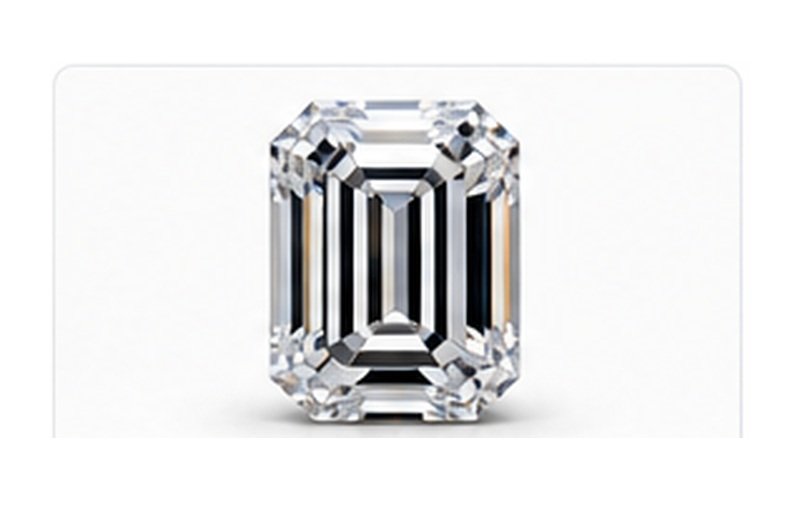
Because the facet structure is open, clarity characteristics, body color and windowing can be easier to see. This makes video or in-person inspection especially important.
Proportions and face-up size
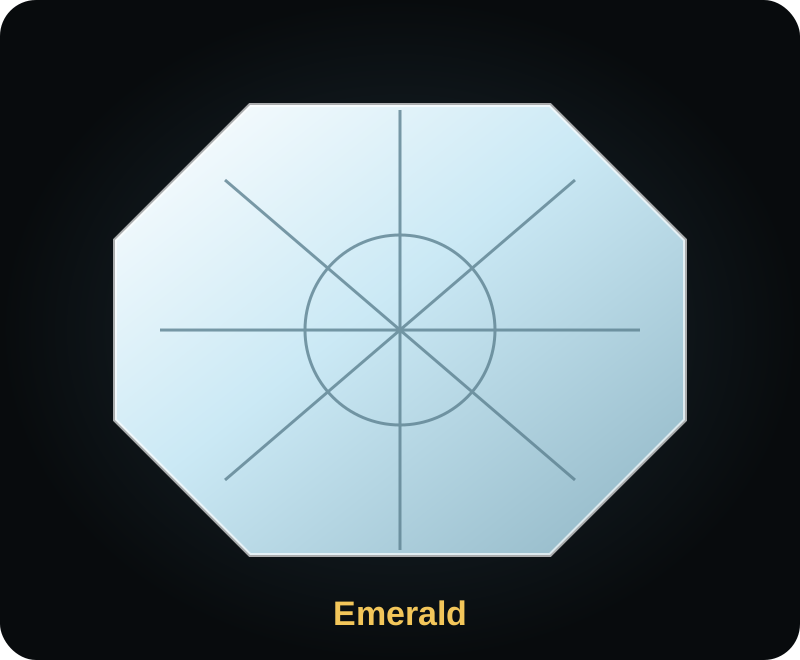
Length-to-width ratio strongly changes the personality of the outline. Many buyers like roughly 1.30–1.50, but there is no universal ideal.
Carat is a weight measurement. Use the listed millimeter dimensions to understand how large the diamond will look from the top and to detect stones that carry more of their weight in depth.
Color and clarity
Clarity can deserve more attention here because the large table and step facets reveal the interior. Do not buy clarity by grade alone—inspect the specific inclusion pattern.
For color, compare nearby grades in the same shape and approximate size. The setting metal and the amount of body color your own eye notices are more practical than chasing a grade for status alone.
What to inspect in 360° video
- Whether the diamond stays lively as it rotates rather than going dark for long periods.
- Whether the contrast pattern looks balanced.
- Any central or dark inclusions that remain obvious at normal scale.
- Outline symmetry and whether the shape looks pleasing from straight on.
- For fancy shapes, any bow tie, windowing or uneven brightness.
Loose emerald cuts: what the listing usually hides
Most “loose emerald cut diamond” searchers are comparing certificates. On this shape that is the wrong first move. The large table shows the interior. Two VS2 stones can look unrelated once you watch them turn.
- Length-to-width. 1.30–1.40 reads classic; 1.45–1.55 looks longer and slimmer on the finger. Below ~1.25 starts to feel squat. None of those is a quality grade.
- Depth. There is no GIA cut grade for emerald. A useful screen is avoiding stones that bury weight in depth so the face-up size looks small for the carat. Compare millimeters, not only carat.
- Clarity. Step facets do not hide crystals the way a round brilliant can. Eye-clean on an emerald often means shopping VS2 or better and checking where the inclusion sits. An SI1 under the table is a different stone from an SI1 near a corner.
- Windowing. Tilt the video. A see-through center that stays pale as the stone moves is a cut issue, not a color issue.
Want the square version of this shape? That is an Asscher. Short note on this site, full comparison on AsscherDiamond.com.
Best buying strategy
- Set a carat and millimeter-size range.
- Choose a color range appropriate to the setting.
- Choose a clarity range, then inspect the actual inclusions.
- Reject stones with weak visual performance even if the paper grades look attractive.
- Compare at least three similar candidates side-by-side.
Ready to compare real diamonds?
Use the education above to compare stones with matching grading criteria. These are affiliate links; Naked Diamonds may earn a commission if you purchase, at no extra cost to you.
Educational reference: GIA diamond-quality and shape guidance. Fancy-shape appearance varies materially from stone to stone, so ratios and measurements are screening tools rather than guarantees.