Diamond Shapes
Find the outline that fits your style—then learn the shape-specific trade-offs that grading reports cannot fully capture.
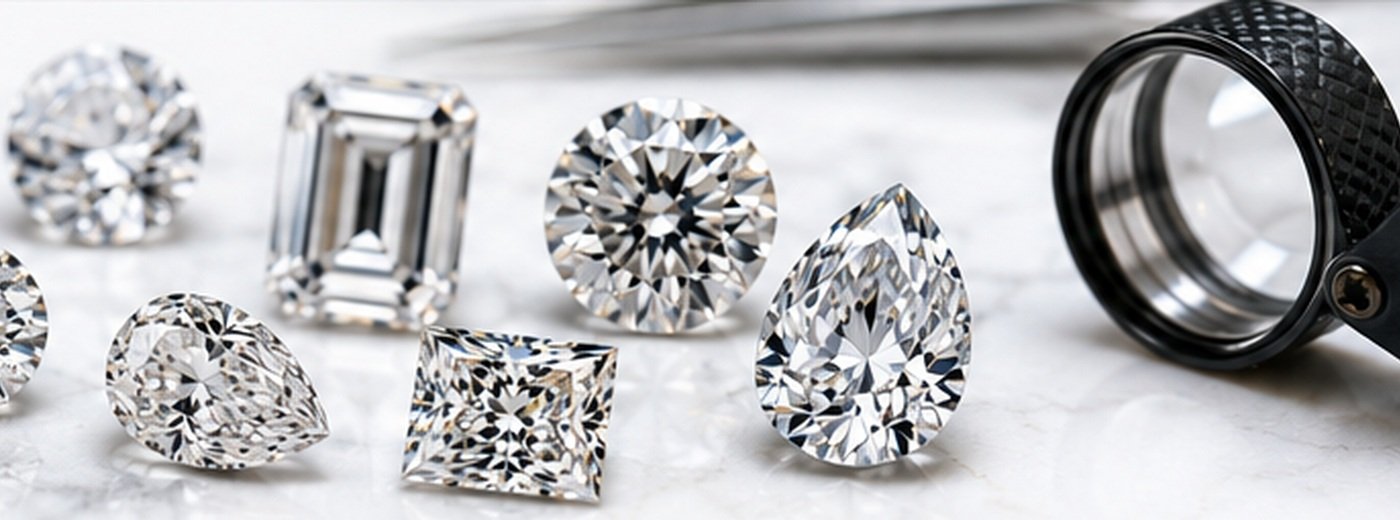
Round, oval, emerald and pear describe outlines and facet styles. How well an individual stone performs still depends on its proportions, symmetry and actual visual character.
Bow ties, windowing, crushed-ice patterns, corner shape and length-to-width preference often cannot be reduced to a single grade.
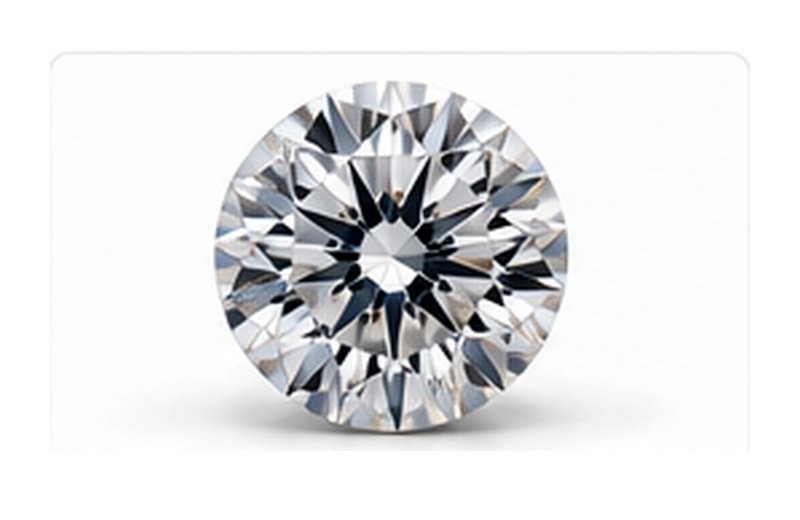
Round
Maximum standardization and classic brilliant pattern.
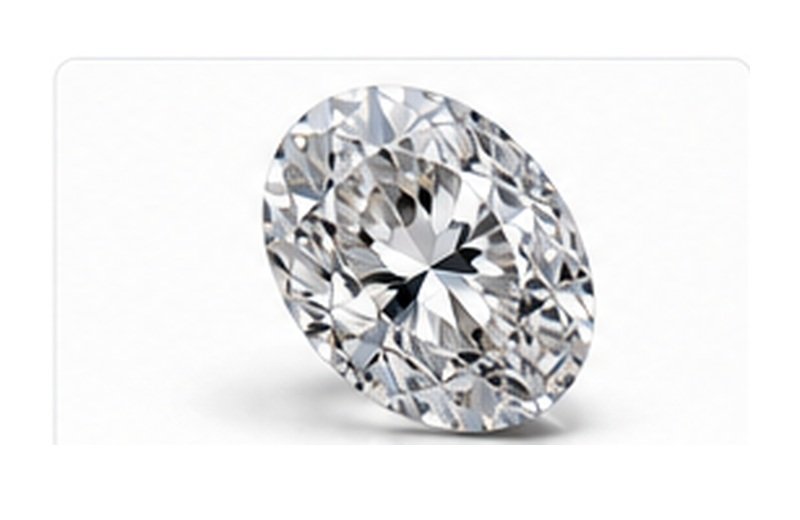
Oval
Elongated brilliant with variable bow tie.
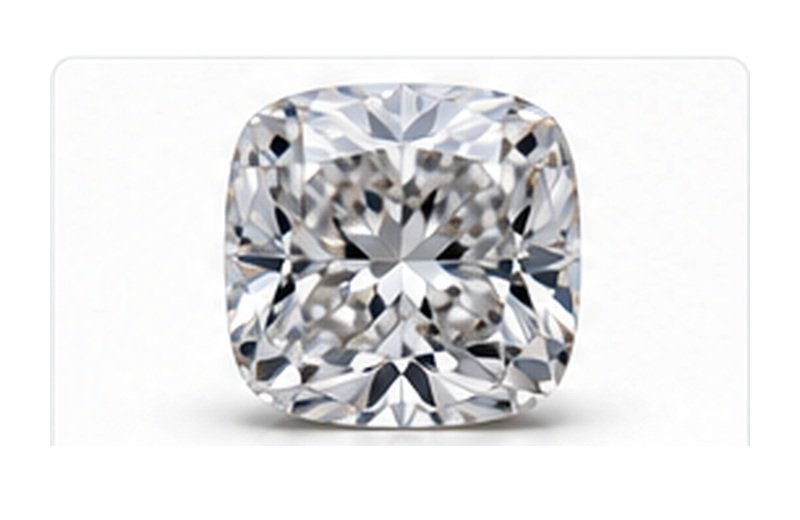
Cushion
Soft corners with many facet-pattern personalities.
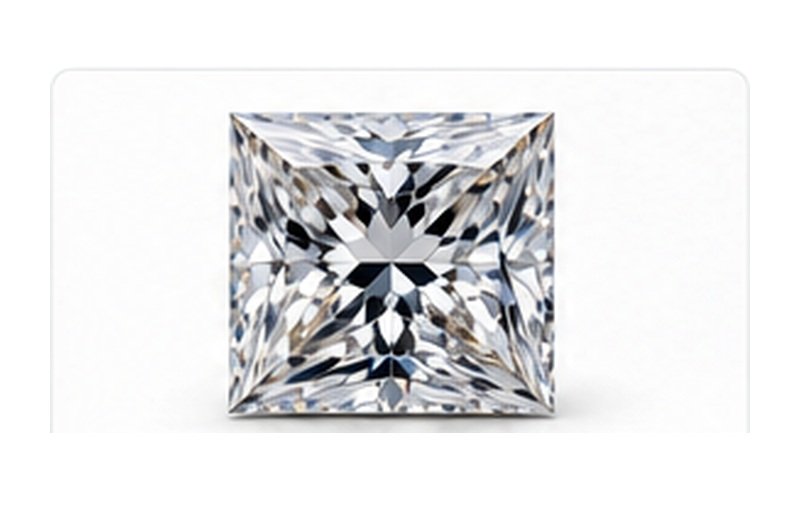
Princess
Square brilliant with sharp corners.
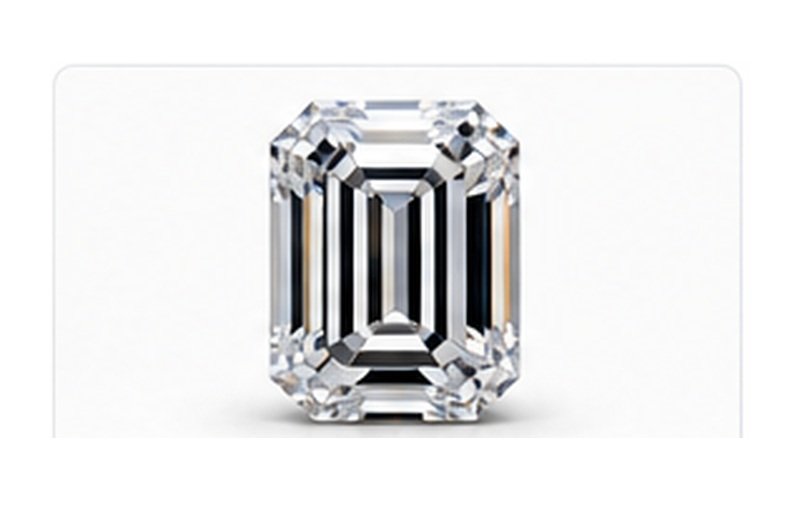
Emerald
Elongated step cut and hall-of-mirrors contrast.
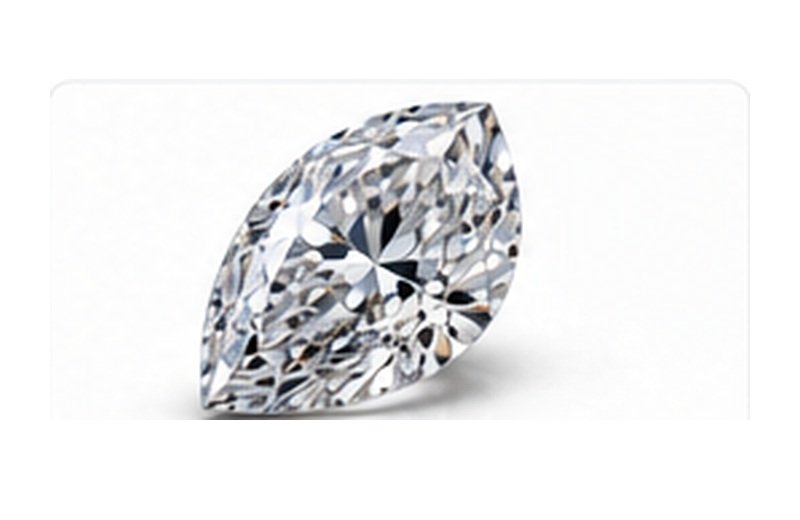
Pear
Teardrop outline with a brilliant facet style.
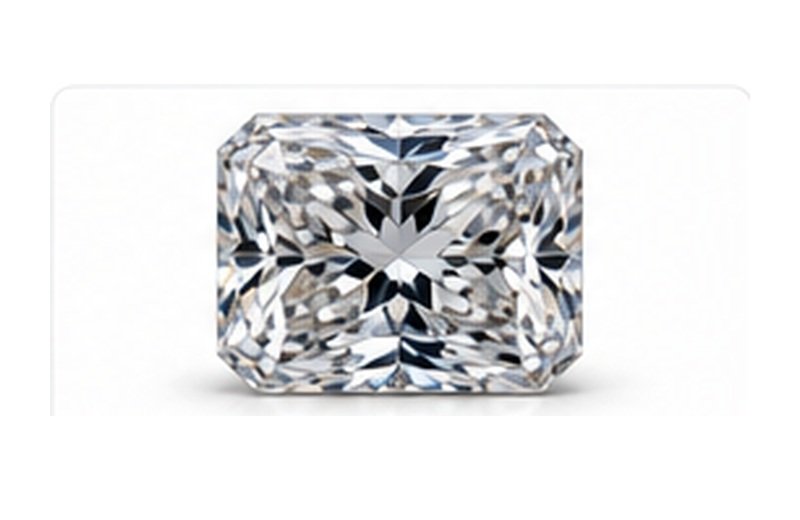
Radiant
Clipped-corner brilliant, square or elongated.
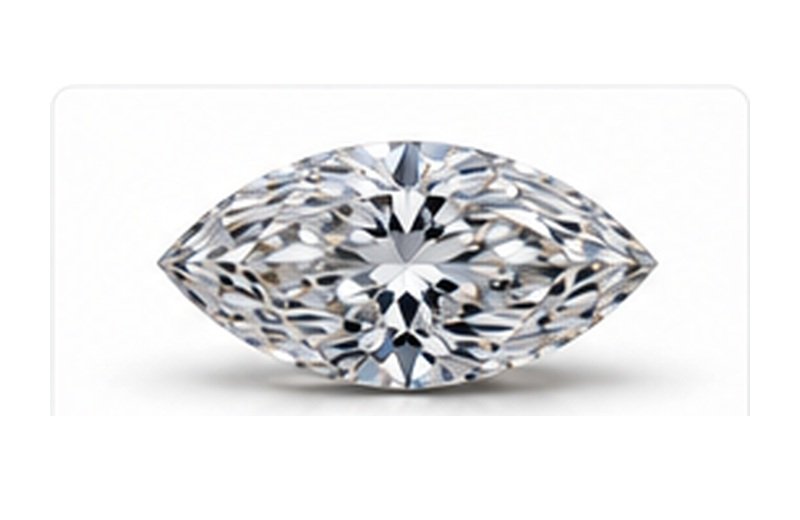
Marquise
Long pointed brilliant with strong spread.
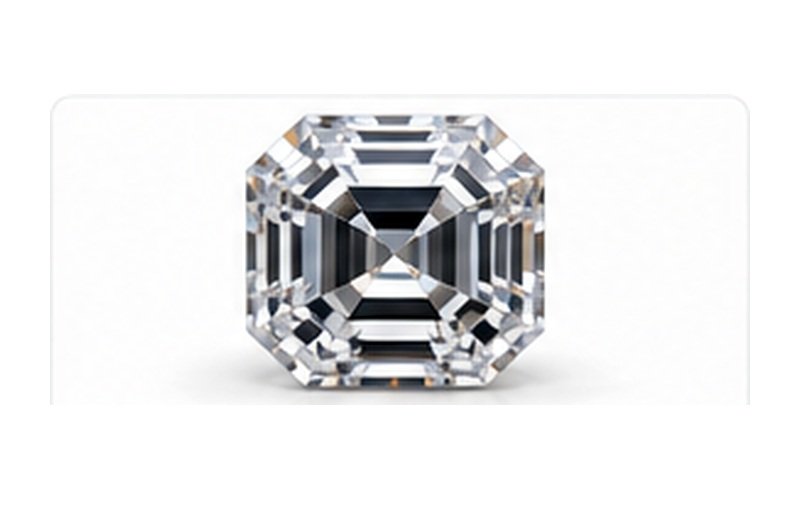
Asscher
Square step cut with concentric pattern.
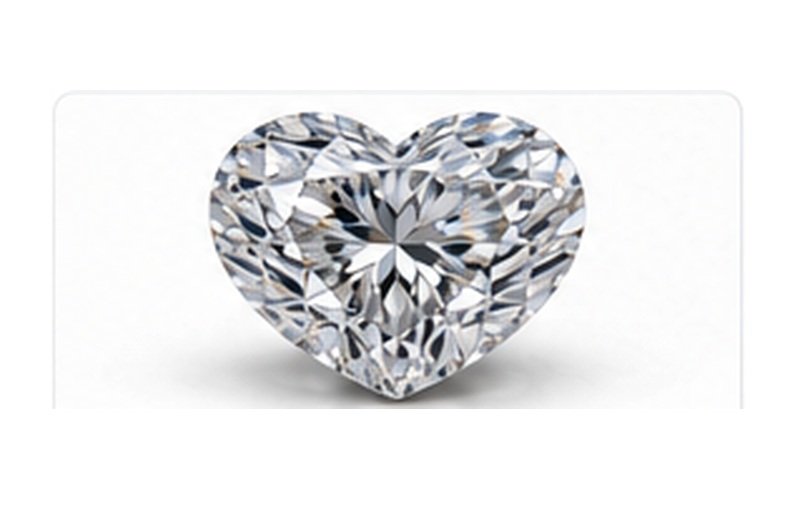
Heart
Symbolic modified brilliant; outline precision matters.
Brilliant vs step-cut personalities
Brilliant and modified-brilliant shapes use many facets to create brightness, fire and scintillation. Step cuts use broader, more linear facets that emphasize clarity, transparency and a hall-of-mirrors contrast pattern. Neither is objectively better; they reward different priorities.
Use shape to express preference—not a grading hierarchy
Round brilliants have the most standardized cut grading framework. Fancy shapes require more visual judgment because outline and facet pattern can vary widely even at similar report grades.
Core gemology references: Gemological Institute of America (GIA) diamond education and research materials. Consumer terminology and disclosure principles: U.S. Federal Trade Commission Jewelry Guides. Last reviewed August 2026.