Diamond Color
Understand the D–Z scale and decide how much visible whiteness you actually need.
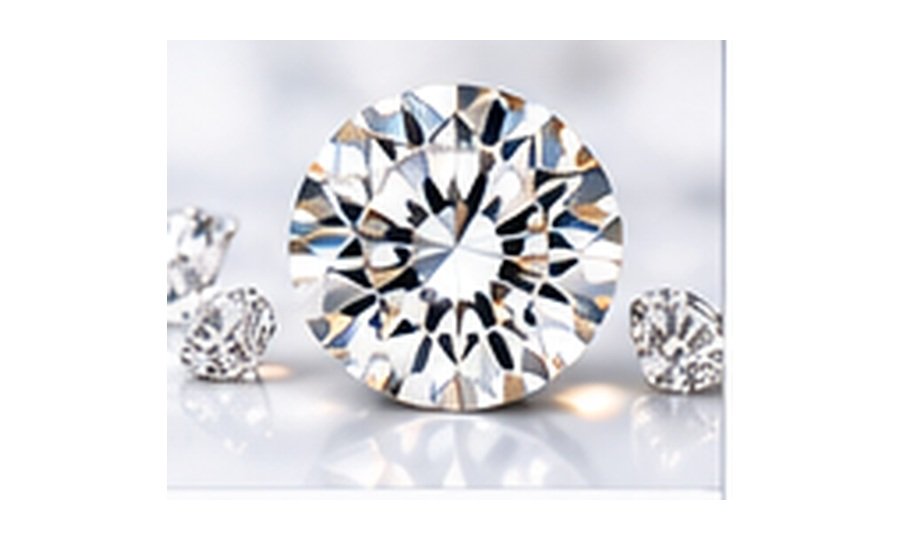
Diamond Color: How Much “Whiteness” Do You Need?
Color grading is about the absence of body color in most gem-quality diamonds, but the best grade for you depends on size, shape, metal color and how sensitive your eye is to warmth.
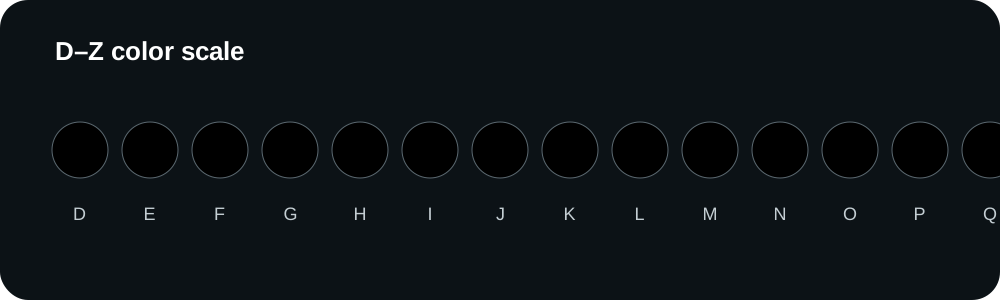
The D–Z scale
The widely used GIA color scale begins at D for diamonds in the colorless range and continues through increasing traces of yellow or brown body color toward Z. Grading is performed under controlled conditions because tiny differences can affect rarity and price.
Why shoppers often overbuy color
Color grades are not a universal beauty ranking. A near-colorless diamond can look extremely white once mounted, especially in yellow or rose gold. The larger the stone, the more body color can become visible. Shape matters too: elongated and step-cut shapes can reveal color differently than round brilliants.
White metal setting
Platinum or white gold can make body color easier to notice near the edges, so color-sensitive buyers may prefer a somewhat higher grade.
Yellow or rose gold
Warmer metal changes the visual context. Many buyers are comfortable moving lower on the color scale and allocating the difference elsewhere.
Fancy color is a different system
Diamonds intentionally valued for noticeable color—such as yellow, pink or blue—are evaluated using a different framework focused on hue, tone and saturation. Do not apply D–Z shopping logic to fancy-color diamonds.
A practical buying approach
- Compare adjacent color grades at the same size and shape.
- Judge face-up appearance, not only a side view on a white background.
- Consider the final setting metal before paying for a higher grade.
- Spend more on color only when you can actually see and prefer the difference.
Core gemology references: Gemological Institute of America (GIA) diamond education and research materials. Consumer terminology and disclosure principles: U.S. Federal Trade Commission Jewelry Guides. Last reviewed August 2026.