Round Brilliant Diamond Guide
Maximum brilliance. Timeless appeal.
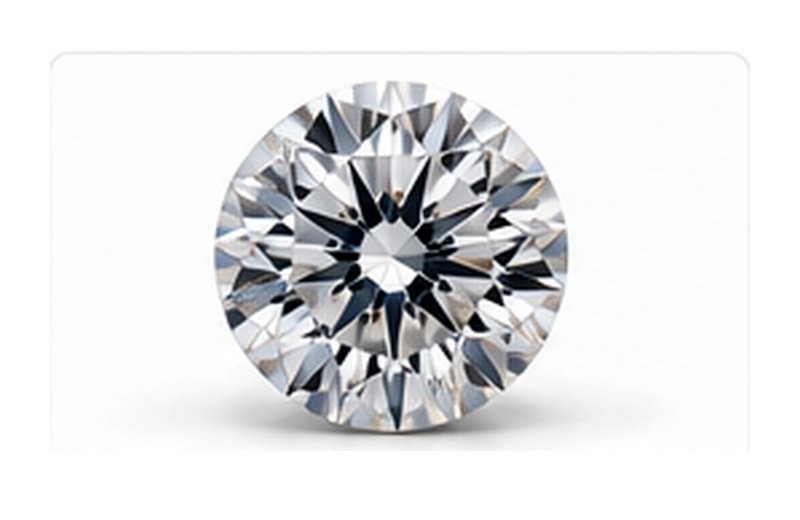
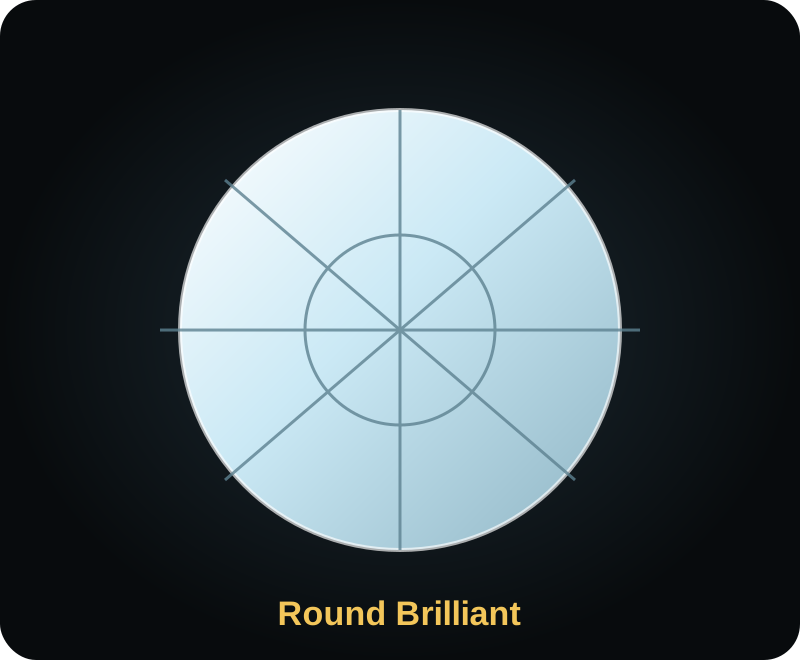
What makes a good round brilliant diamond?
Because round brilliants are engineered around light return, cut quality deserves heavy weighting. GIA grades overall cut for standard D-to-Z round brilliant diamonds.
Proportions and face-up size
A round outline does not have a length-to-width decision in the same way fancy shapes do. Instead, pay attention to face-up diameter for the carat weight and whether excess depth is hiding weight.
Carat is a weight measurement. Use the listed millimeter dimensions to understand how large the diamond will look from the top and to detect stones that carry more of their weight in depth.
Color and clarity
Rounds often hide inclusions relatively well because of their busy brilliant facet pattern, but inclusion type and position still matter.
For color, compare nearby grades in the same shape and approximate size. The setting metal and the amount of body color your own eye notices are more practical than chasing a grade for status alone.
What to inspect in 360° video
- Whether the diamond stays lively as it rotates rather than going dark for long periods.
- Whether the contrast pattern looks balanced.
- Any central or dark inclusions that remain obvious at normal scale.
- Outline symmetry and whether the shape looks pleasing from straight on.
- For fancy shapes, any bow tie, windowing or uneven brightness.
Best buying strategy
- Set a carat and millimeter-size range.
- Choose a color range appropriate to the setting.
- Choose a clarity range, then inspect the actual inclusions.
- Reject stones with weak visual performance even if the paper grades look attractive.
- Compare at least three similar candidates side-by-side.
Ready to compare real diamonds?
Use the education above to compare stones with matching grading criteria. These are affiliate links; Naked Diamonds may earn a commission if you purchase, at no extra cost to you.
Educational reference: GIA diamond-quality and shape guidance. Fancy-shape appearance varies materially from stone to stone, so ratios and measurements are screening tools rather than guarantees.