Diamond Cut
The quality factor most directly connected to how a diamond handles light.
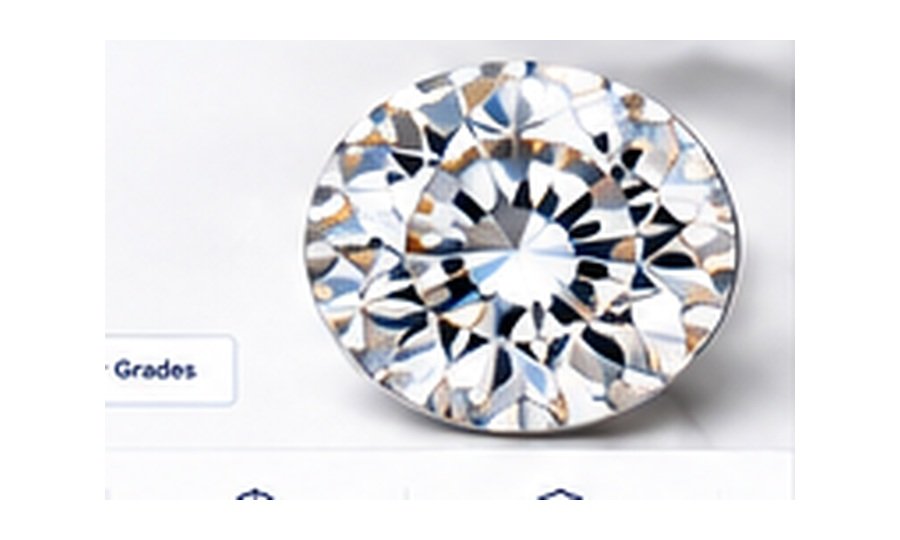
Diamond Cut: The Quality You Can Actually See
Cut is the 4C most directly tied to how a faceted diamond handles light. The grade is useful, but the real goal is a diamond that looks lively, balanced and attractive in the lighting where you will wear it.
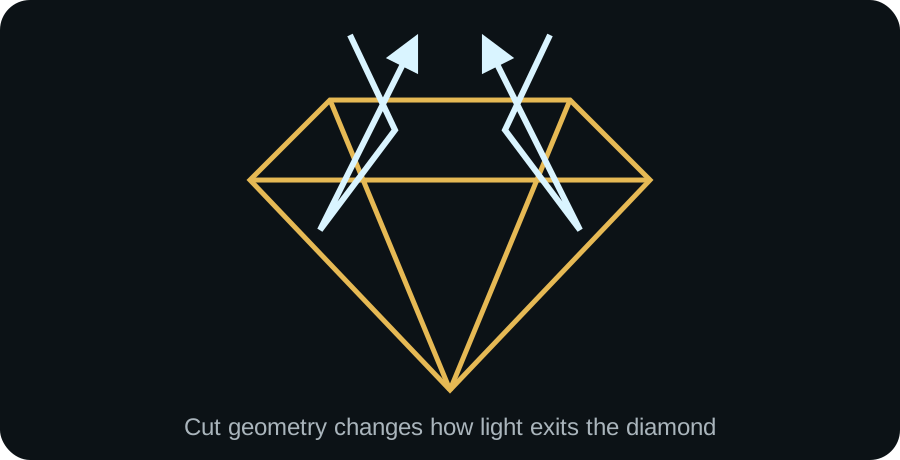
Brightness, fire and scintillation
Brightness is the white light returned to your eye. Fire is the separation of white light into spectral colors. Scintillation is the pattern of flashes and contrast seen as the diamond, observer or light source moves. An attractive diamond balances all three rather than maximizing only one.
What a cut grade tells you
For standard round brilliant diamonds in the D-to-Z color range, GIA evaluates a group of appearance and workmanship factors to assign an overall cut grade. That gives shoppers a useful starting point. Fancy shapes are more complicated: outline, facet pattern and visual balance become especially important, and a single proportion recipe cannot capture every attractive stone.
Table, depth, crown and pavilion
Proportion numbers describe the geometry that creates the finished diamond. Table percentage describes the width of the table relative to the diamond. Total depth describes height relative to average diameter or width. Crown and pavilion angles influence how light enters and exits. A single number outside a popular range does not automatically make a diamond poor, because proportions interact.
Polish and symmetry
Polish is the quality of the facet surfaces. Symmetry describes how precisely facets and the outline align. Both are reported separately from clarity. They are workmanship characteristics, and extremely poor finish can affect appearance even when the basic proportions look promising.
How we use cut when shopping
- Start with a strong laboratory cut grade when one is available.
- Check the actual measurements and proportions rather than shopping by grade alone.
- Look for pleasing contrast, even brightness and no obvious dark or watery zones.
- For ovals, pears and marquises, inspect bow-tie behavior in motion.
- For step cuts such as emerald and Asscher, judge the hall-of-mirrors pattern and clarity carefully.
Core gemology references: Gemological Institute of America (GIA) diamond education and research materials. Consumer terminology and disclosure principles: U.S. Federal Trade Commission Jewelry Guides. Last reviewed August 2026.