Lab-Grown Diamonds
Origin, growth method and disclosure live here. Dated lab vs natural prices live on the comparison page.
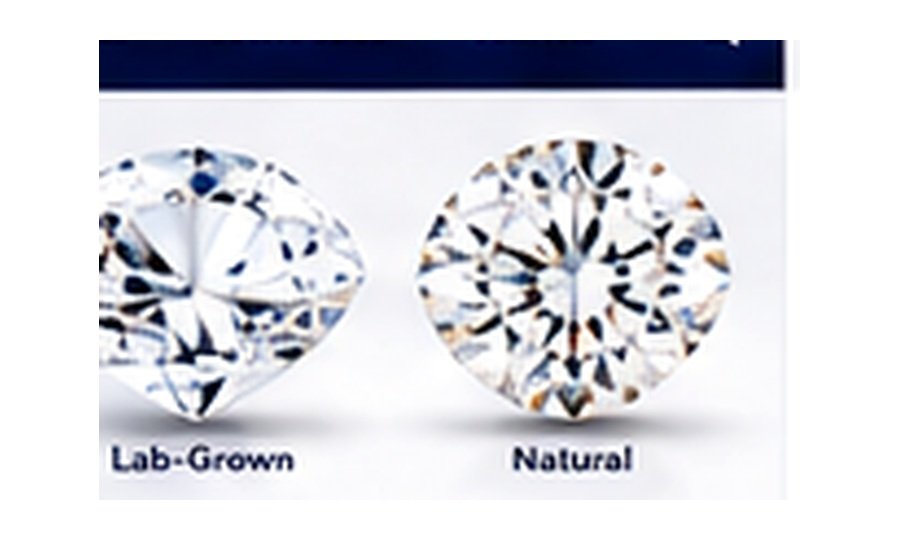
Lab-Grown Diamonds: What They Are—and What Changes for Buyers
Laboratory-grown diamonds have essentially the same crystal structure as natural diamonds but are produced through technological growth processes. The buying questions shift toward disclosure, grading, treatment information, price and personal preference.
Lab vs Natural Prices
September 2026 listing bands, 1 ct and 2 ct worked examples, resale reality and who should buy which.
CVD vs HPHT
The two primary growth methods—and why the method alone is not a beauty grade.
Grading Reports
How laboratory-grown diamonds are identified and documented.
Fluorescence
Separate fluorescence from growth-method and treatment questions.
Are laboratory-grown diamonds “real” diamonds?
They are diamonds in the material sense: crystallized carbon with the characteristic properties of diamond. Their origin is technological rather than geological. They should be clearly disclosed as laboratory-grown or laboratory-created rather than presented in a way that implies mined origin.
How are they grown?
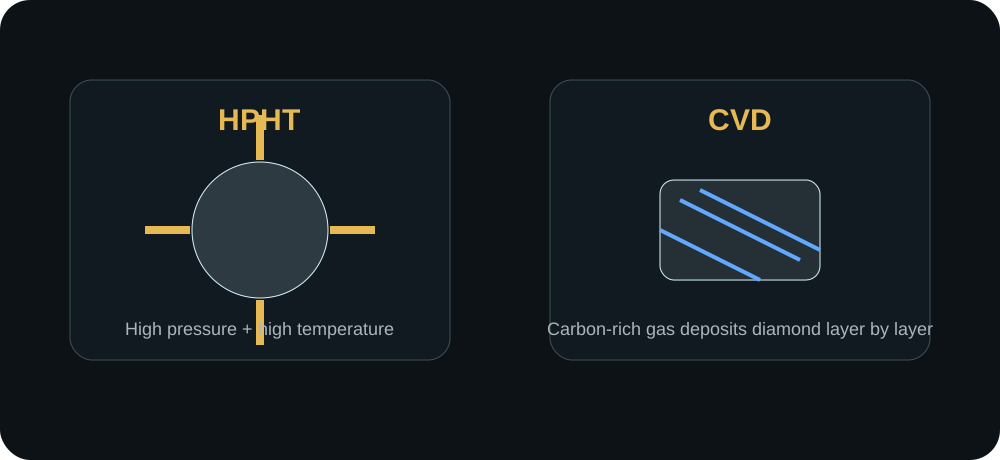
The two dominant methods are HPHT (high pressure, high temperature) and CVD (chemical vapor deposition). Modern gemological laboratories use specialized testing to distinguish laboratory-grown from natural diamonds and to identify relevant growth or treatment features.
What changes for the buyer?
- Upfront price can differ substantially from comparable natural diamonds.
- Secondary-market and replacement-value assumptions should not be borrowed from natural diamonds.
- Clear origin disclosure and a reputable grading report are important.
- Beauty still depends on cut, proportions, color, clarity and the specific stone.
Core gemology references: Gemological Institute of America (GIA) diamond education and research materials. Consumer terminology and disclosure principles: U.S. Federal Trade Commission Jewelry Guides. Last reviewed August 2026.