Radiant Diamond Guide
Clipped corners with brilliant-style sparkle.
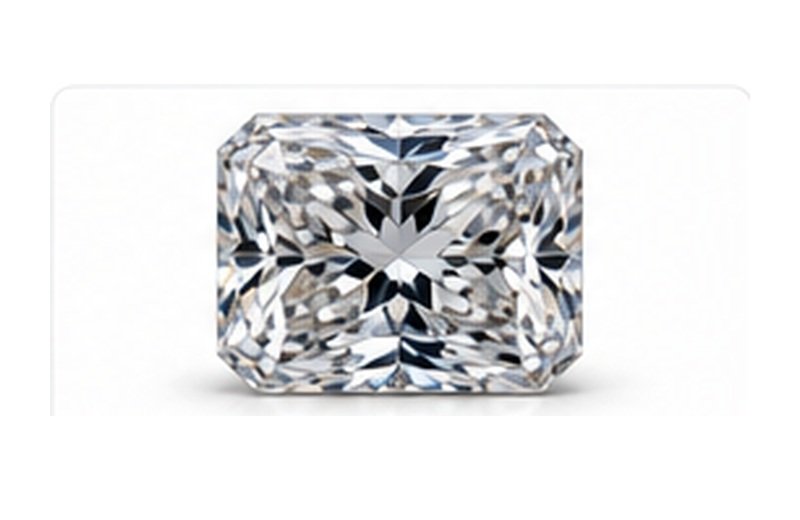

What makes a good radiant?
Radiants vary dramatically. Some have broad, organized flashes; others show a crushed-ice pattern. Neither is automatically better—compare movement and brightness.
Length-to-width ratio
Length-to-width ratio is a preference tool, not a universal quality grade. Compare multiple examples to decide whether you prefer a compact, classic or more elongated outline. The report measurements let you calculate and compare the ratio, but the actual outline still deserves visual review.
Color and clarity
Shape changes how body color and inclusions present themselves. Elongated shapes can concentrate color near tips or ends, while step cuts such as Asscher reveal the interior more openly. Judge the actual stone rather than copying a round-brilliant shopping formula.
Setting considerations
Points and corners deserve protection. Choose prong placement and setting style that secure vulnerable areas without hiding the outline you bought the shape for.
Before you buy
- Compare several real videos, not just certificate numbers.
- Check measurements and face-up spread.
- Inspect symmetry and outline at normal size.
- Look for persistent dark zones or windowing as the stone moves.
- Confirm the grading report and retailer return policy.
Compare actual stones
Use high-resolution imagery and grading reports to compare several examples side by side. These retailer links are affiliate links.
Core gemology references: Gemological Institute of America (GIA) diamond education and research materials. Consumer terminology and disclosure principles: U.S. Federal Trade Commission Jewelry Guides. Last reviewed August 2026.