How to Read a Diamond Report
A field-by-field framework for turning a grading report into useful buying evidence.
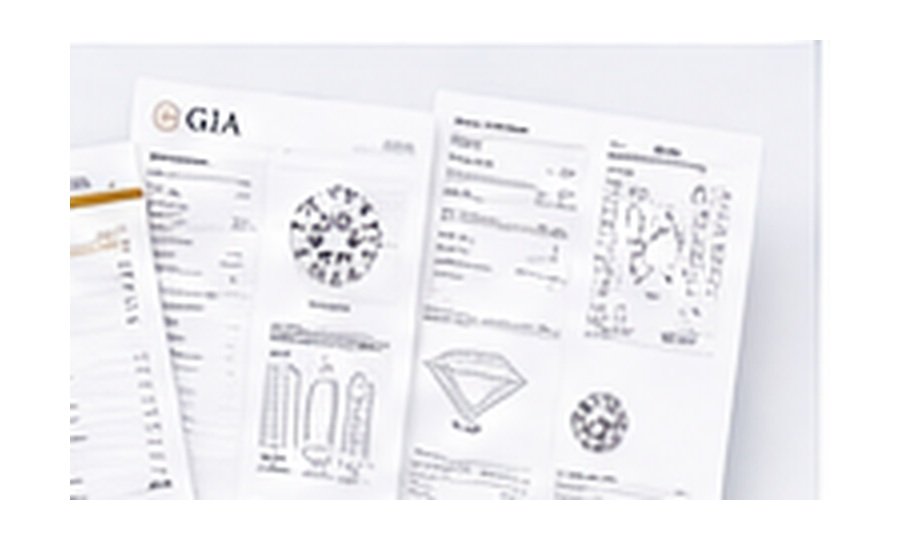
How to Read a Diamond Grading Report
A grading report becomes useful when you stop treating it as a scorecard and start reading it as a technical description of a specific diamond.

Confirm identity
Match report number, date, shape, measurements and carat weight to the retailer listing.
Read the 4Cs
Separate quality, rarity and weight. Do not assume a higher grade in one C compensates for weaker cut or poor visual appeal.
Check proportions
Review table, depth, crown, pavilion, girdle and culet data where provided.
Check finish
Polish and symmetry describe manufacturing finish, not clarity.
Read fluorescence
Treat it as one attribute to inspect, not an automatic defect.
Read comments and plots
Comments can contain material details. Plots help locate clarity characteristics but do not replace visual inspection.
Verify with the laboratory
Use the issuing lab's official report-verification system whenever available.
Core gemology references: Gemological Institute of America (GIA) diamond education and research materials. Consumer terminology and disclosure principles: U.S. Federal Trade Commission Jewelry Guides. Last reviewed August 2026.