Diamond Polish & Symmetry
Understand the finish grades that describe facet surface quality and alignment—and how much they should influence a buying decision.
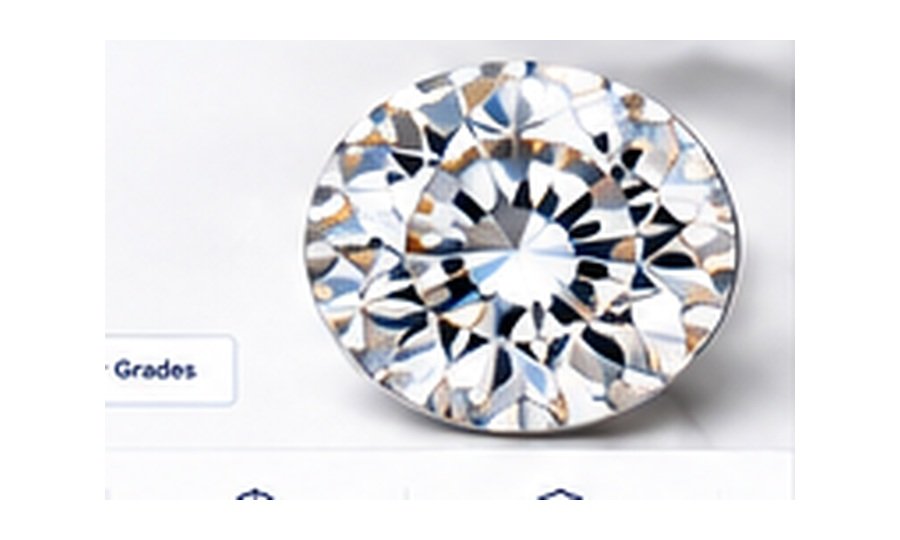
Diamond Polish & Symmetry: The Finish Behind the Facets
Polish and symmetry are workmanship grades. They help describe how cleanly the diamond was finished and how precisely its facet pattern aligns.
Polish
Polish refers to the condition of facet surfaces after cutting. Polish features can include fine lines, abrasions or other surface effects produced during manufacturing. These are different from internal clarity characteristics.
Symmetry
Symmetry looks at the alignment and balance of facets and the overall shape. Examples of symmetry issues include an off-center table or culet, uneven facet relationships or outline irregularities.
How much should shoppers care?
For many consumer purchases, strong finish grades are common and differences at the top end may be difficult to see without magnification. The practical question is whether finish issues are visible or whether they contribute to poorer overall light behavior.
Do not confuse symmetry with optical symmetry marketing
Laboratory symmetry grades and specialty marketing claims about hearts-and-arrows or optical precision are related concepts but not the same thing. Evaluate specialty claims independently and avoid assuming a branded pattern automatically means superior beauty.
Core gemology references: Gemological Institute of America (GIA) diamond education and research materials. Consumer terminology and disclosure principles: U.S. Federal Trade Commission Jewelry Guides. Last reviewed August 2026.